
Visually, I rejected nostalgia.
I didn't set out to make a film. I set out to settle a debt.
"Where Are the Reparations," from my Negritude: the names they tried to silence (album), began as a question I couldn't stop asking, not politely, not academically, but as a demand echoing across four centuries of silence. I chose Spoken Word for the delivery because reparations are not a policy paper. They are a pulse. They are breath and blood and memory made audible.
Poetry is the only language loud enough for a debt this large.
The film moves from Carolina cotton to Haitian ash, from Harriet Tubman's empty pension to the cinder of Black Wall Street, because these are not separate tragedies. They are installments in the same crime. I wanted the viewer to feel the weight of that continuity; to understand that 1776 and 2026 share the same ledger, and the balance is still due.
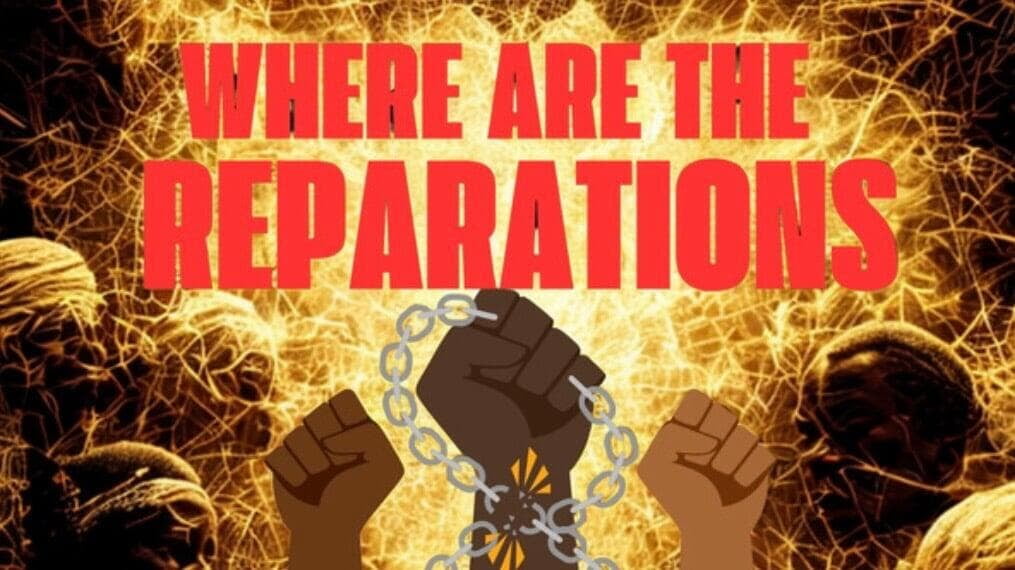
Visually, I rejected nostalgia. There is no comfort here. The camera does not observe from a safe distance; it confronts. I used stark imagery, direct address, and hard cuts because soft transitions are how history gets smoothed over time. I wanted faces that refuse to look away, hands that hold the evidence, and landscapes that still bear the scars.
This film is not a history lesson. It is an invoice. It is a love letter to the ancestors who died in poverty after building nations they were never allowed to claim. It is a warning to the present that time does not absolve theft - it compounds it.
My hope is not that audiences "enjoy" this film. My hope is that they are unsettled. That they sit with the silence after the final line. That they understand: we are not asking. We are calling. We are not begging. We are billing!
The vault is still open. The interest is still growing.
Where are the reparations?