
COLD WINTER IN AMERICA
From Dakar to the world: A cinematic journey through identity, memory, resistance and the voices history could never silence.
“The names they tried to silence. The voices they could never erase.”
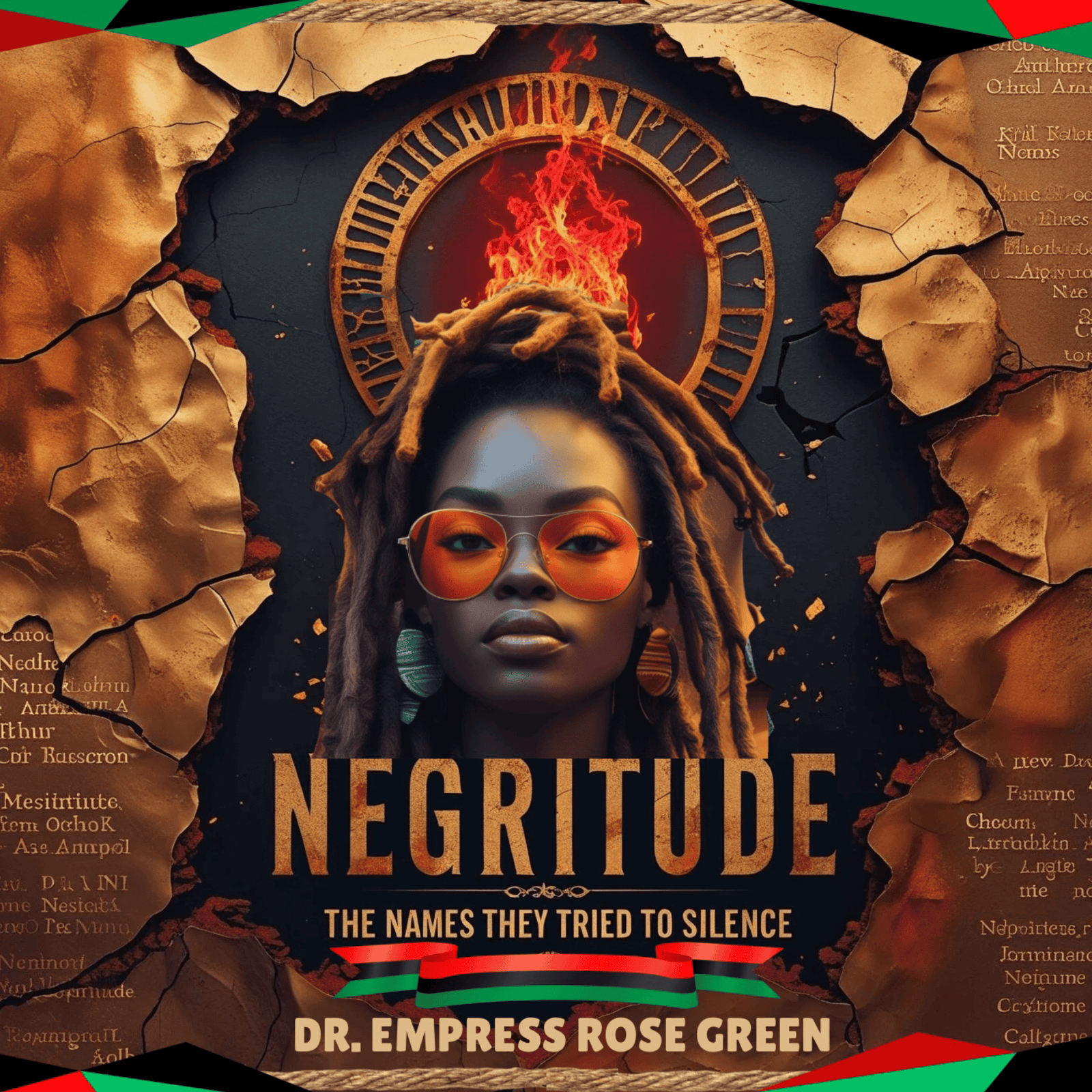
Some stories are told through words. Others are carried through music. And some demand both.
As we approach the highly anticipated Film premiere of my forthcoming Negritude: The Names They Tried to Silence film, in Dakar, Senegal, on December 7, I am equally excited to share another important dimension of this creative journey: the forthcoming release of one of the tracks from the official film Soundtrack album.
The soundtrack album is more than a collection of musical compositions accompanying a film. It is an extension of its message, its emotional landscape, and its exploration of identity, heritage, historical memory and the enduring spirit of a people whose stories have too often been overlooked, misrepresented or deliberately silenced.
The Negritude movement emerged as an affirmation of Black identity, cultural consciousness and the value of African heritage in the face of colonialism and racial oppression. Its legacy continues to resonate across generations, reminding us of the importance of reclaiming our narratives and recognising the voices that shaped our collective history.
The music accompanying this film seeks to carry that conversation forward.
Through rhythm, spoken expression, lyrical storytelling and contemporary musical influences, the soundtrack explores the connections between our past and present. It invites listeners to reflect not only on where we come from, but also on the world we are creating and the histories we are still writing.
FEATURED TRACK: COLD WINTER IN AMERICA
Among the tracks featured on this musical journey is a particularly significant composition titled Cold Winter in America.

Channeling the distinctive musical atmosphere and socially conscious spirit of Gil Scott-Heron's iconic Winter in America, this track draws inspiration from the tradition of music as a vehicle for social commentary, reflection and cultural expression.
Gil Scott-Heron's music demonstrated that a song could be more than entertainment. It could become a mirror held up to society, a voice for uncomfortable truths and a soundtrack to conversations that needed to happen.
Cold Winter in America revisits that spirit through a contemporary lens. Its central imagery is deliberately contrasting:
"It's a Cold Winter in America
The sun is blazing 96 degrees
Yet, it's cold as ICE, out here in these streets."
The blazing heat becomes a metaphor for a country experiencing another kind of coldness: one reflected in concerns surrounding immigration enforcement, homelessness, racism, social inequality and the treatment of vulnerable communities.
The track also introduces the voice of a young child, adding another emotional dimension to its message.
Through the contrast between childhood innocence and adult experiences, the song raises questions about identity, belonging, justice and the world being inherited by the next generation.
One of its most poignant passages reflects on the innocence of a child who enters the world without understanding the complexities of the systems and circumstances that may eventually shape their life.
The accompanying film imagery is intended to explore this contrast through parallel visual storytelling, placing childhood innocence alongside adult experiences of restraint, vulnerability and institutional power. It is a reminder that every adult was once a child. And every child deserves the opportunity to experience a world in which dignity, compassion and humanity are not conditional.
FROM DAKAR TO THE WORLD
The choice of Dakar, Senegal, as the setting for the film's December 7 premiere carries particular significance.
As a city deeply connected to African cultural expression, intellectual heritage and the continuing dialogue surrounding African identity, Dakar provides a meaningful setting for the introduction of a film exploring the legacy and relevance of Negritude.
The premiere represents an opportunity to bring these conversations into a contemporary cultural space, connecting audiences with the historical foundations of the movement while inviting new generations to consider its continuing relevance.
The soundtrack forms an important part of that experience.
It is intended to allow the film's themes to travel beyond the screen, giving audiences another way to connect with its me
A BIRTHDAY GIFT TO THE WORLD: DECEMBER 13
There is also a personal dimension to this release.
I have chosen December 13, my birthday, as the planned release date for the official Negritude: The Names They Tried to Silence soundtrack album.
For me, this is a meaningful way to celebrate another year of life: by sharing a body of creative work that reflects history, culture, identity and artistic expression.
Rather than simply marking another birthday, I wanted to make this occasion an opportunity to give something back through music.
The film premieres in Dakar on December 7. The soundtrack follows on December 13.
Two dates. Two connected creative milestones. One continuing conversation.
THE NAMES THEY TRIED TO SILENCE. THE VOICES THAT REMAIN
Ultimately, Negritude: The Names They Tried to Silence is about remembering, recognising and giving space to voices and histories that deserve to be heard.
The soundtrack is another expression of that purpose.
From the echoes of earlier generations to the realities confronting us today, these compositions invite us to listen, reflect and engage.
Because history is not simply what happened yesterday. It is also what we choose to remember, what we choose to acknowledge and what we pass on to those who come after us.
And sometimes, the most powerful way to ensure that a voice is never forgotten is to give it a song.
The journey begins in Dakar on December 7.
The music arrives December 13.
Negritude: The Names They Tried to Silence.
The story continues. The music speaks. The names remain.